Next To Normal
Music by Tom Kitt, Book & Lyrics by Brian Yorkey
Directed by Kate Galvin
Constellation Stage & Screen
Waldron Auditorium
September 4th - September 21st, 2025
Production Team:
Choreographer: Laura Rong
Music Director: Ray Fellman
Scenic Design: Chris Haig
Costume Design: Katie Cowan Sickmeier
Lighting Design: Jennifer Fok
Sound Design: Brandon Reed
About The Play
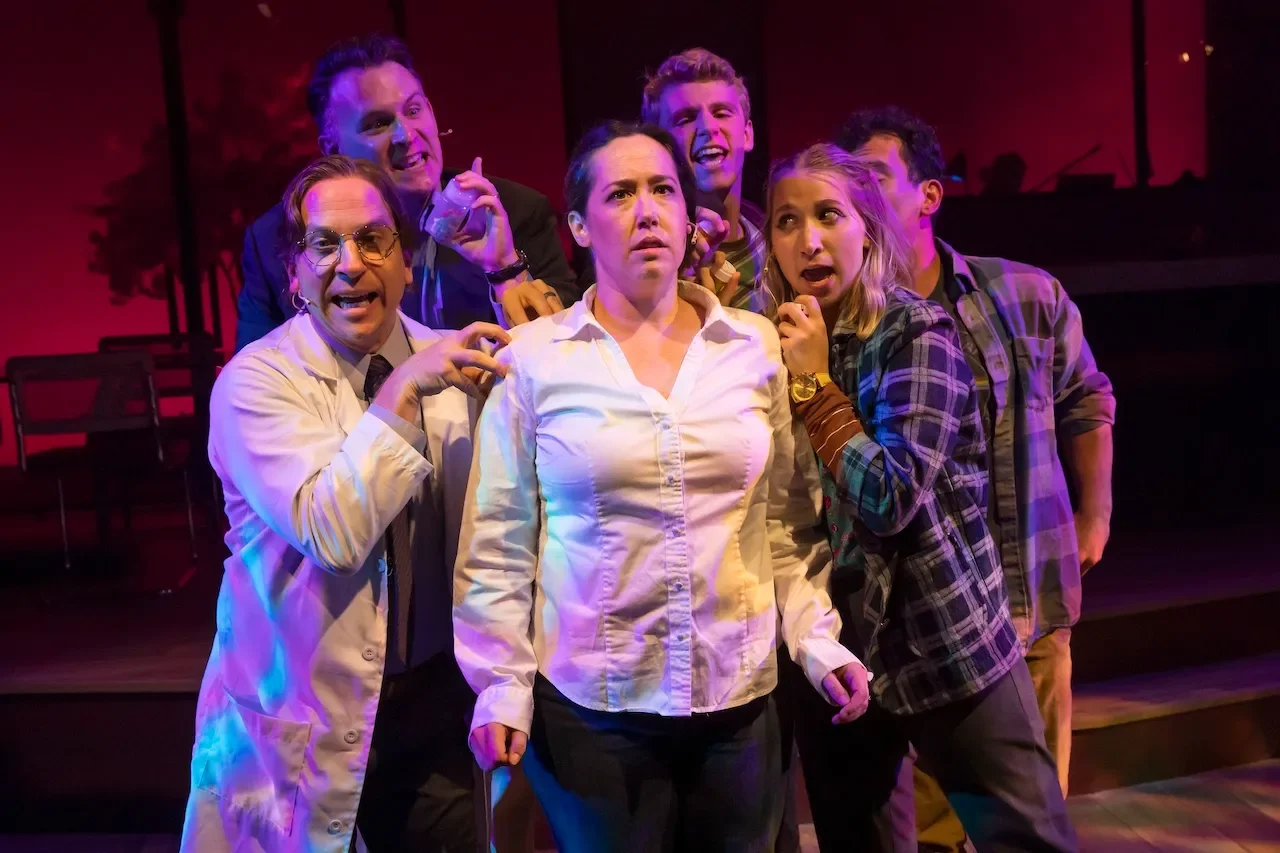
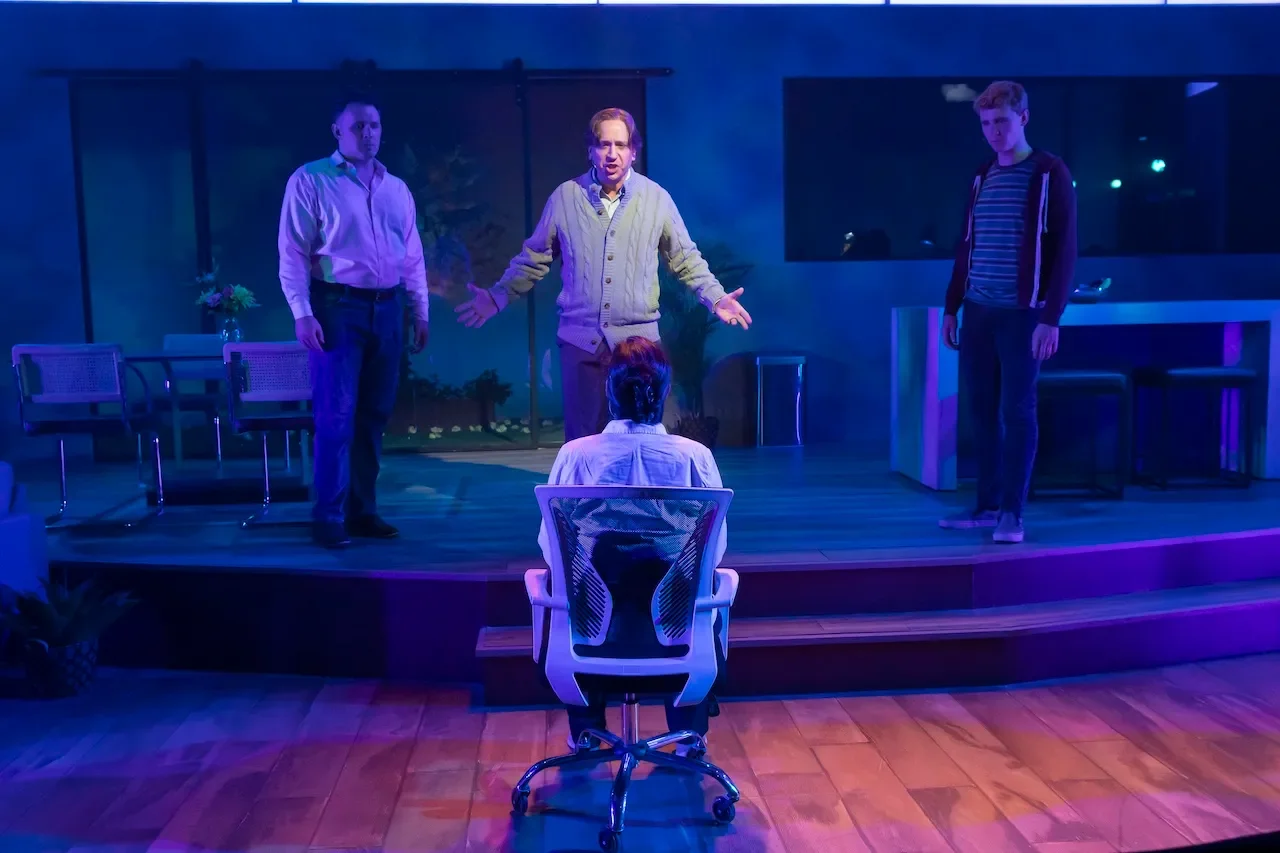
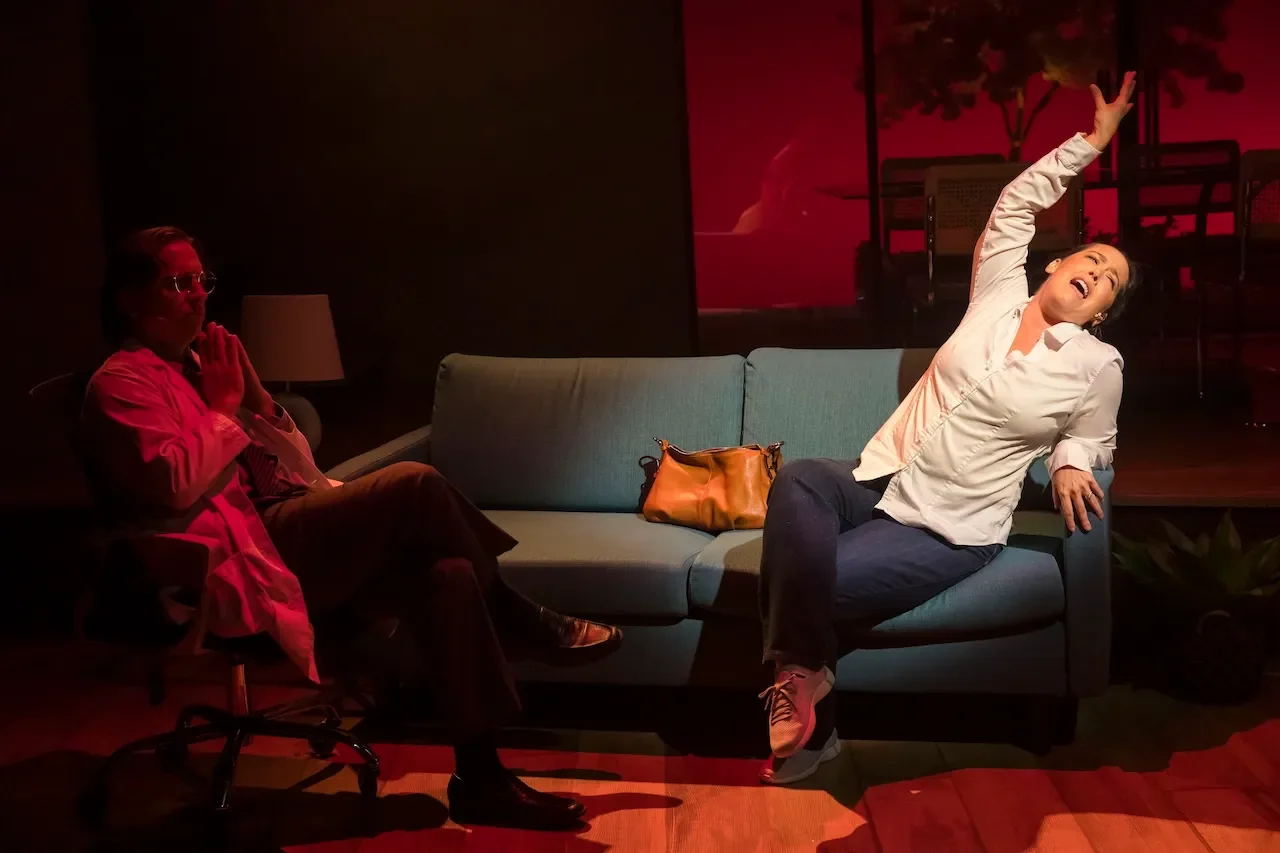
Next To Normal, tells the story of the Goodman family, but specifically focuses on the mother Diana and her struggles with bipolar disorder, as well as the lingering grief of a family tragedy. The musical explores mental illness, psychiatric ethics, and family trauma. It depicts the devastating impact her condition and hallucinations have on her husband and daughter Natalie.
It does this by using a wonderful score composed of in your face rock music, but not being afraid to use traditional musical theatre instruments and composition to tug at your heart strings. The show has a wide dynamic range of levels that it’s not afraid to be soft, but also not be in your face when the time calls for it.
Audio clips of the live mix are not included due to Actor’s Equity restrictions, and live recordings do not accurately represent the theatre space.
Please check with the producing organization if interested in quality of the mix, which I proudly stand behind.
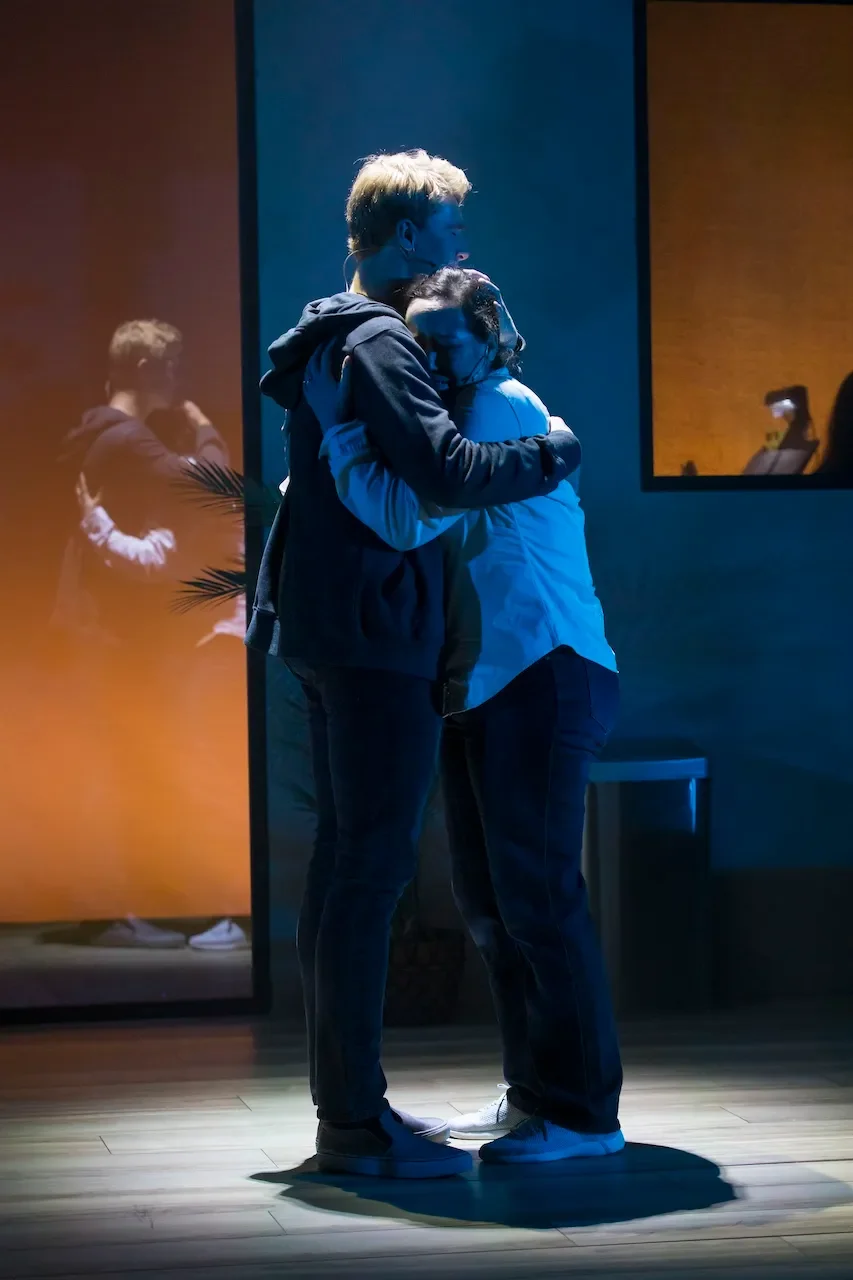
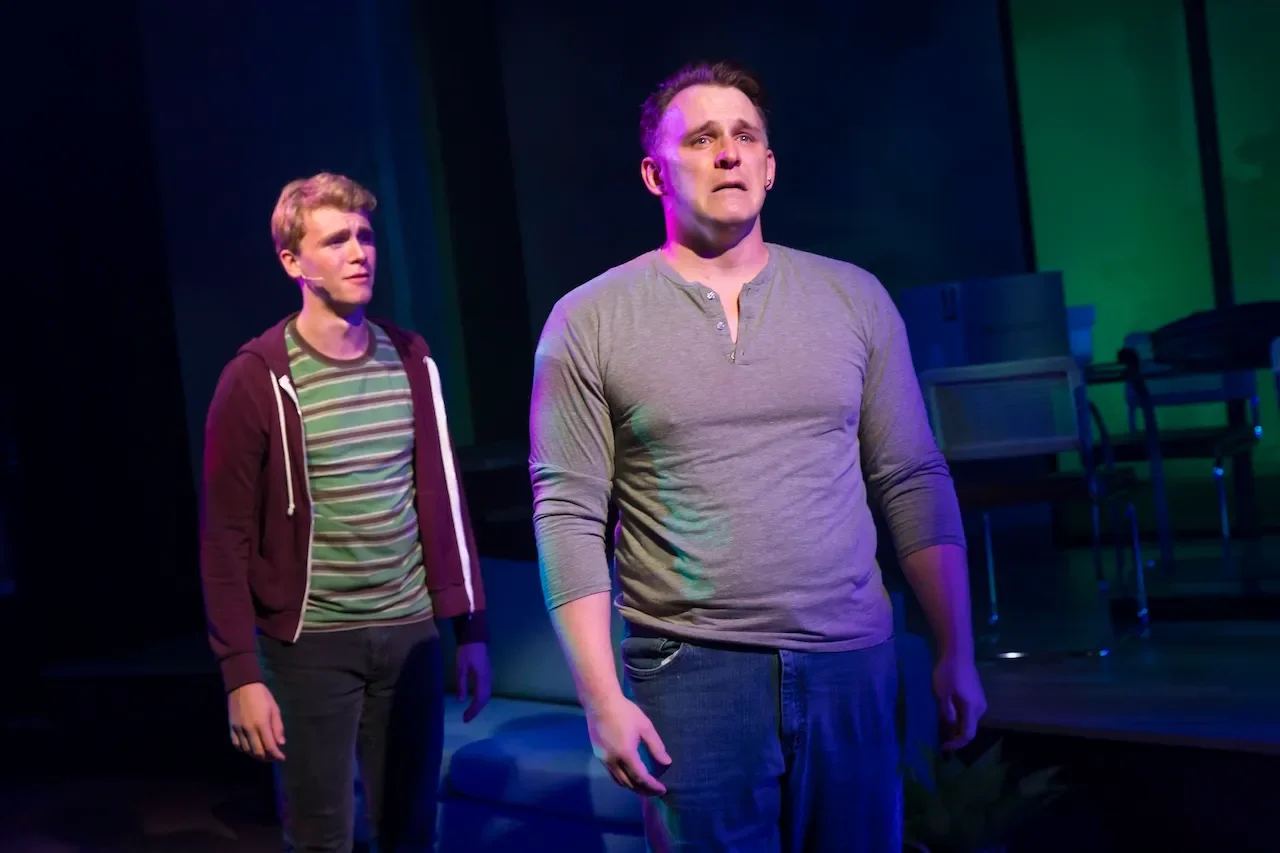
Photos taken courtesy of Emelie Flower
Given that this is a rock musical, with a wide range of dynamics, it was important for me to have full control over every aspect of the sonic landscape. I wanted the ability to be intimate when needed, but also full send on volume, but not damage the audience’s hearing. We needed to always be feeling what Diana is feeling, when she is furious, we crank it up, when she is feeling meager and weak, we pull back.
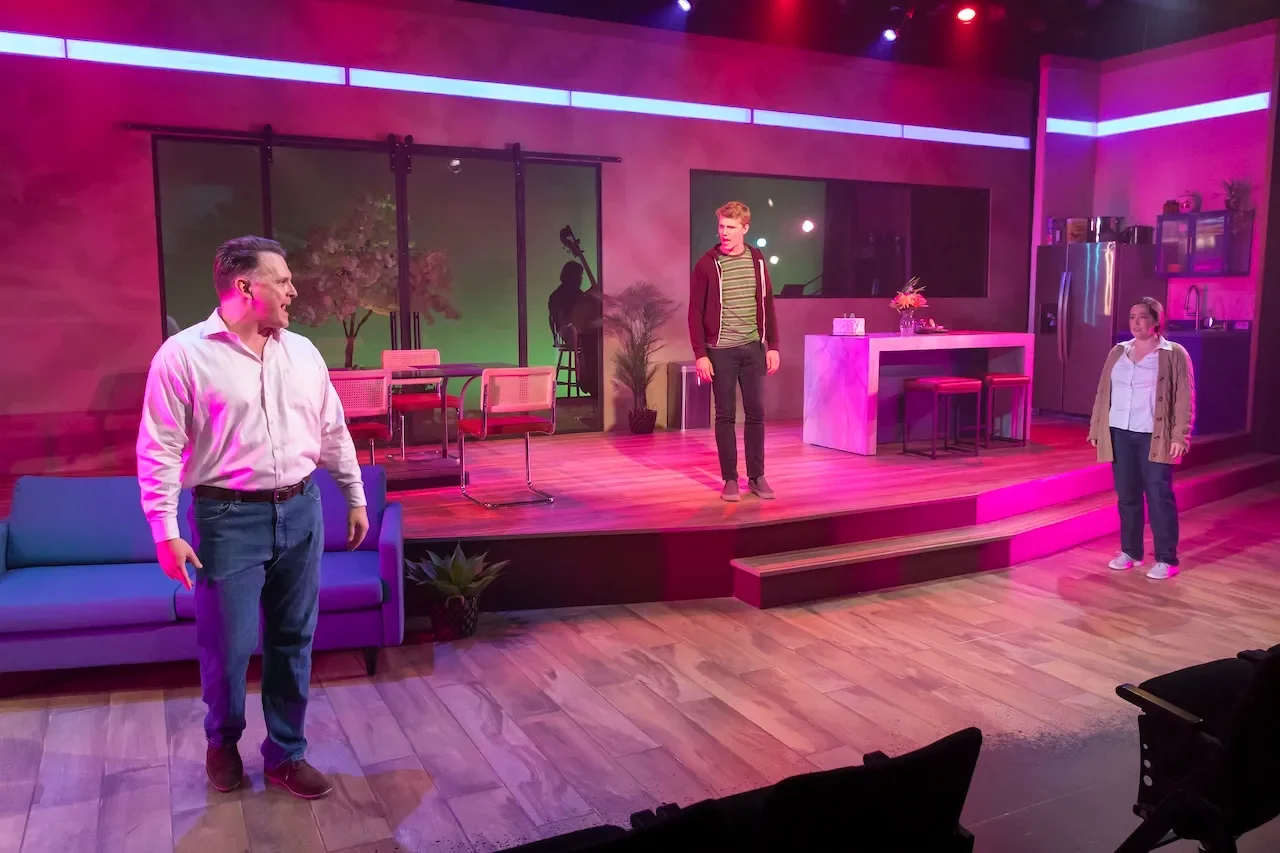
The stage was a proscenium setup, but wider than average. To combat this, each section of seats had a Left/Right speaker, which allowed for each one to have the same coverage (QSC K8s). The audience also had subwoofers directly underneath them to get the most low end possible as I could get, with one house left and right to even it out (Behringer and Alto Professional subs). The cast had Samson speakers overhead as monitors, while the band used Behringer P16s for personal monitoring through headphones.
The cast was only six actors and vocal clarity was the upmost importance for me. Every was mic’ed using Countryman B3s using older in-house Shure ULX wireless transmitter and receivers. I made the choice to have everyone in a “boom” style rig to get the most gain before feedback possible. Diana had two microphones rigged to her, given that she almost never left the stage.
The band was small, but mighty and it was important that I had the most control I could possibly get from them. I needed the cleanest and most isolated capture of each instrument as possible. Given the vast range of the music, it was important there was no unwanted noise in other instruments as well as the cast’s microphones. Early on, I worked with the scenic designer to advocate for the band to be separate from the playing space. However, the director still wanted the band to be seen, so we came up with the idea to have them upstage in the “backyard.” This provide a good amount of separation acoustically and we could still see them through the windows.
To further help with the sound quality, when we discussed the drummer, it was a desire for the kit to be real and not digital. We wanted the sound of someone hitting hard, but not deal with the actual acoustic nature of it. For the first time in this companies history, I advocated for the drummer to be in a separate room, which they agreed. The result was that we built an isolated drum room in the loft backstage. This allowed our drummer the freedom to play as hard as he wanted without it interfering with the quality of the show.
The rest of the band was mostly direct except for the acoustic guitar and violin. Both keyboards were Mainstage rigs, that fed into stereo direct boxes. The bass player played both upright and electric, which both had pickups and went direct into mono direct boxes. The guitar player played both electric and acoustic, with the electric coming direct out of a Line 6 HX Stomp into a direct box (no real amp on stage), while the acoustic was reinforced with an sE 7. The violin was also captured with an sE 7. I loved this setup and it allowed me to craft what I felt was needed for each song, and the result in my opinion was one of the best sounding mixes in my career.
The Sound Design