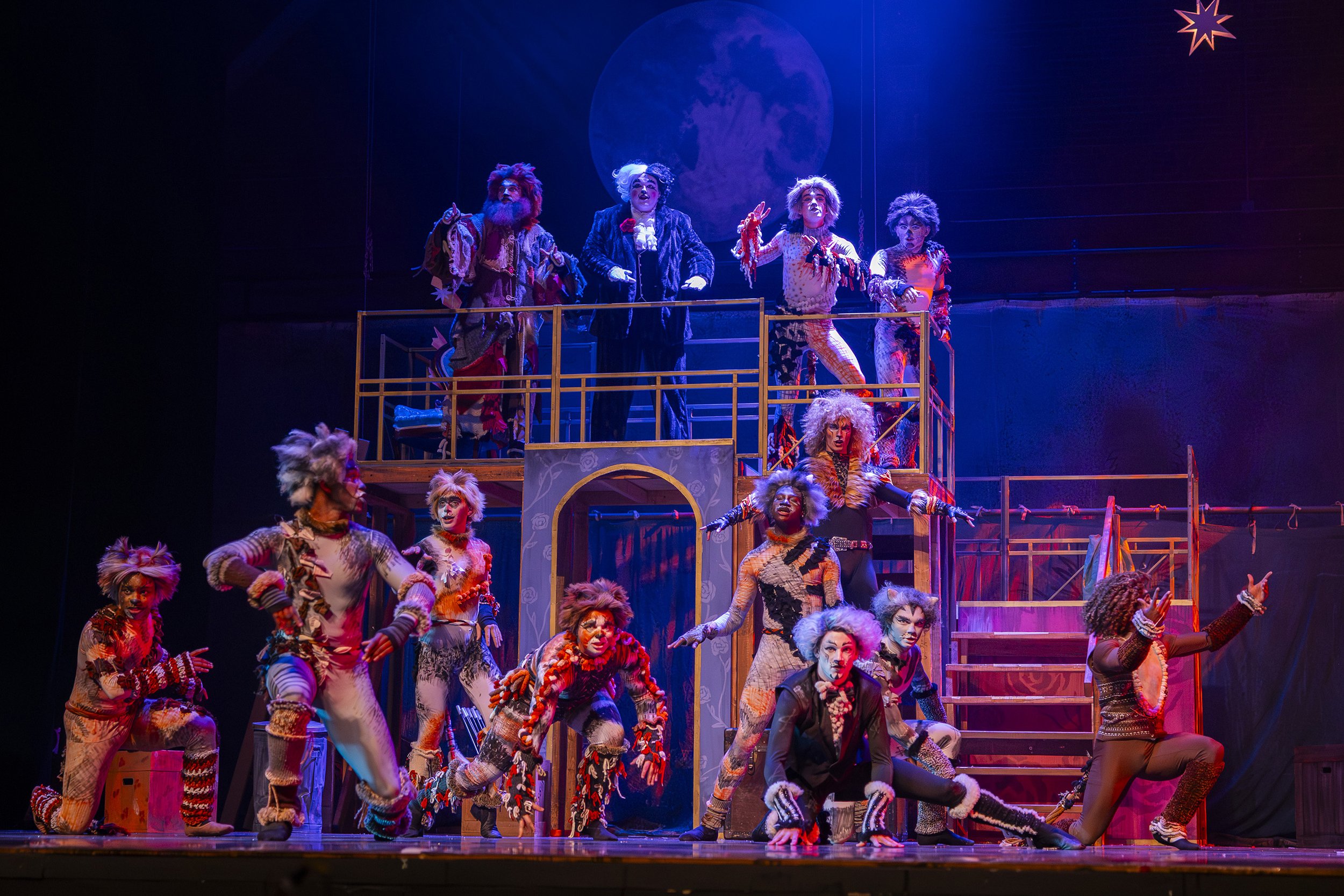
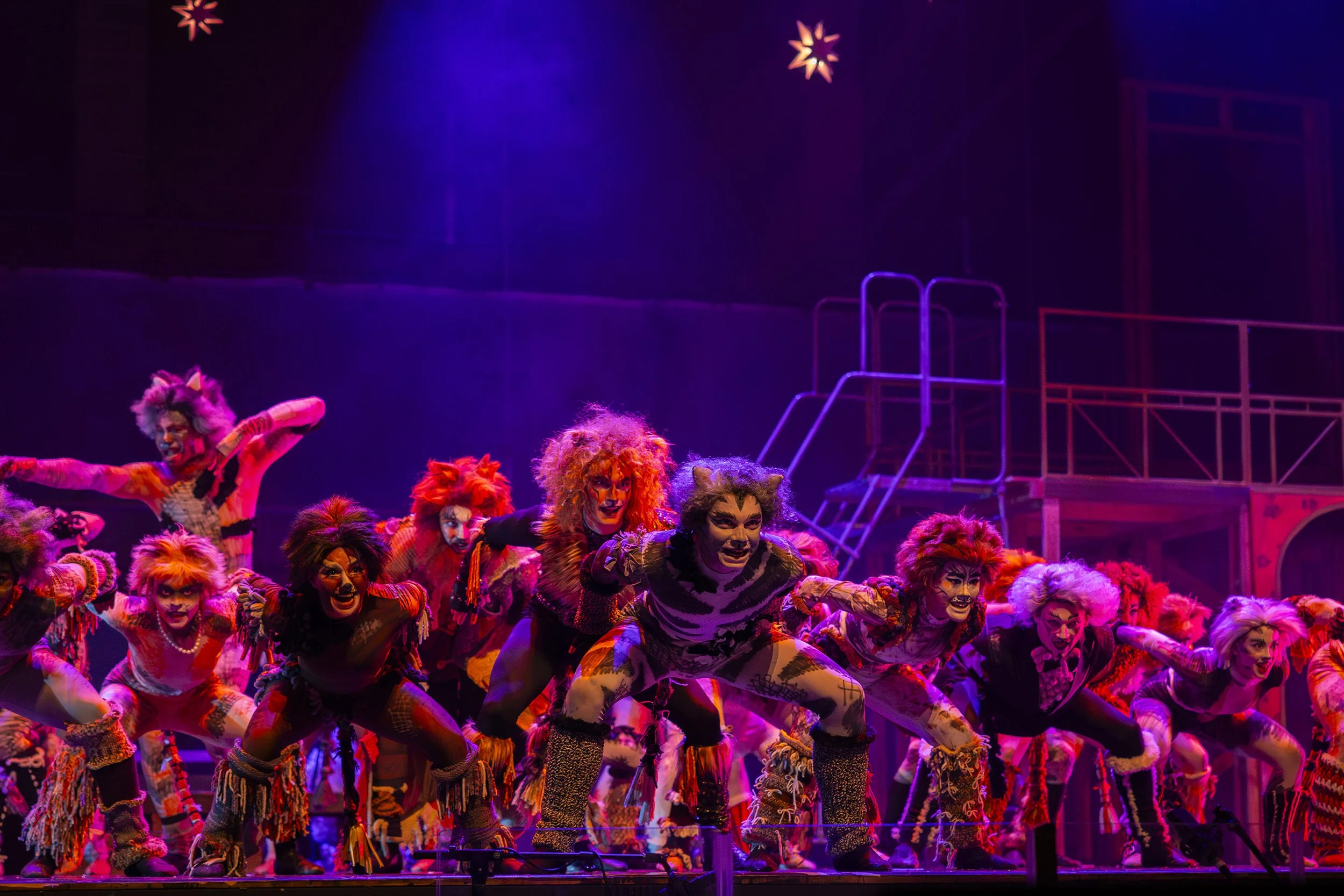
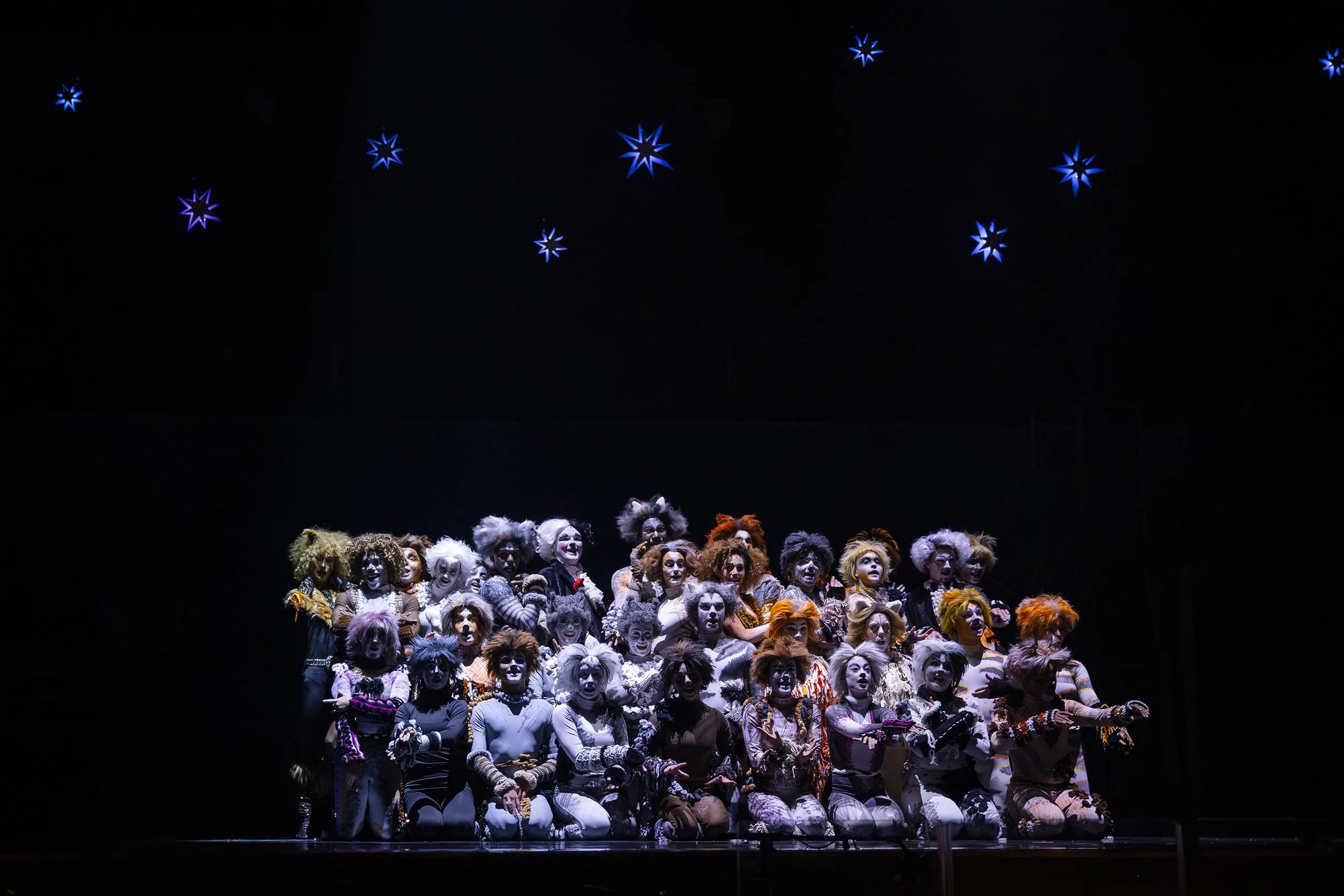
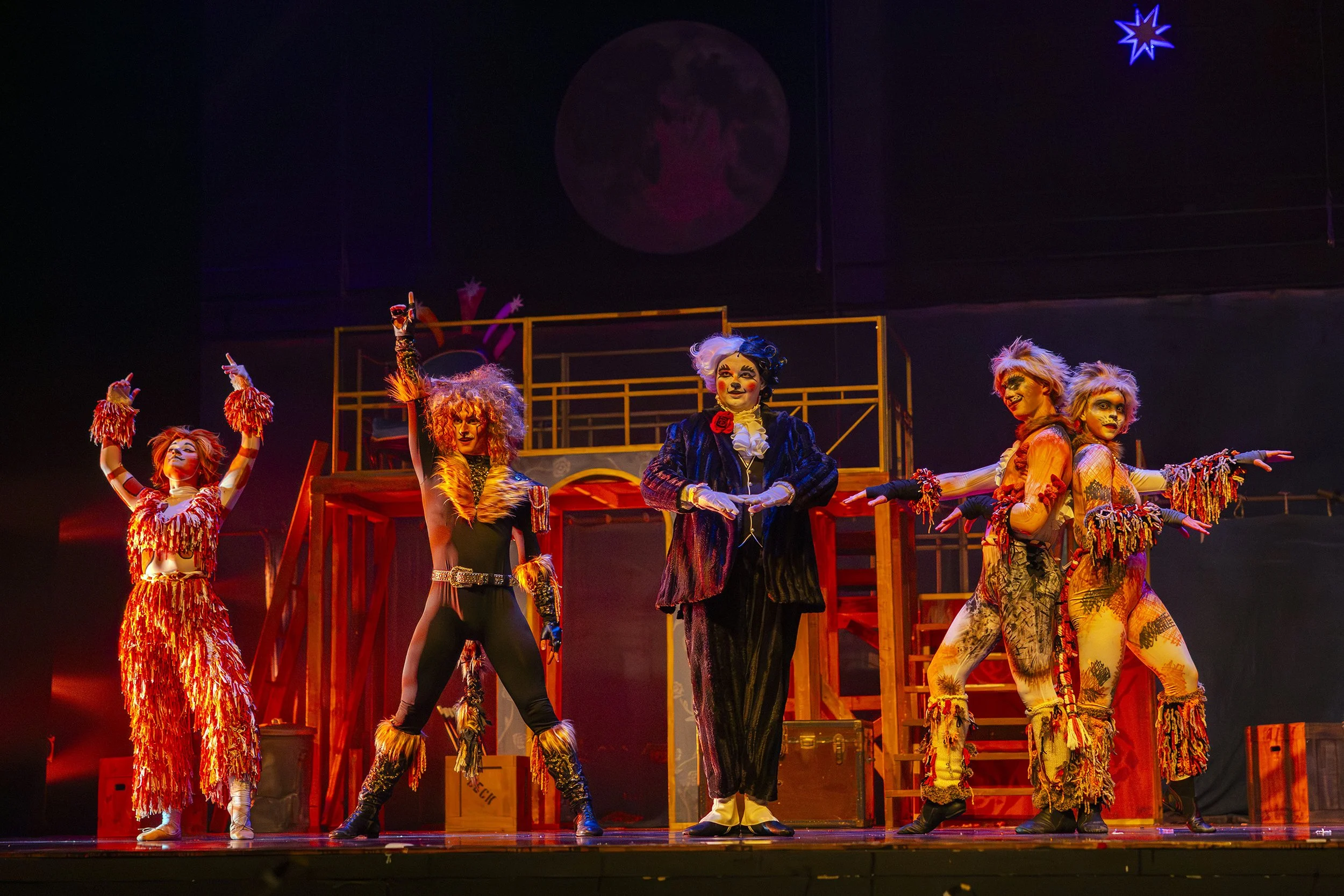
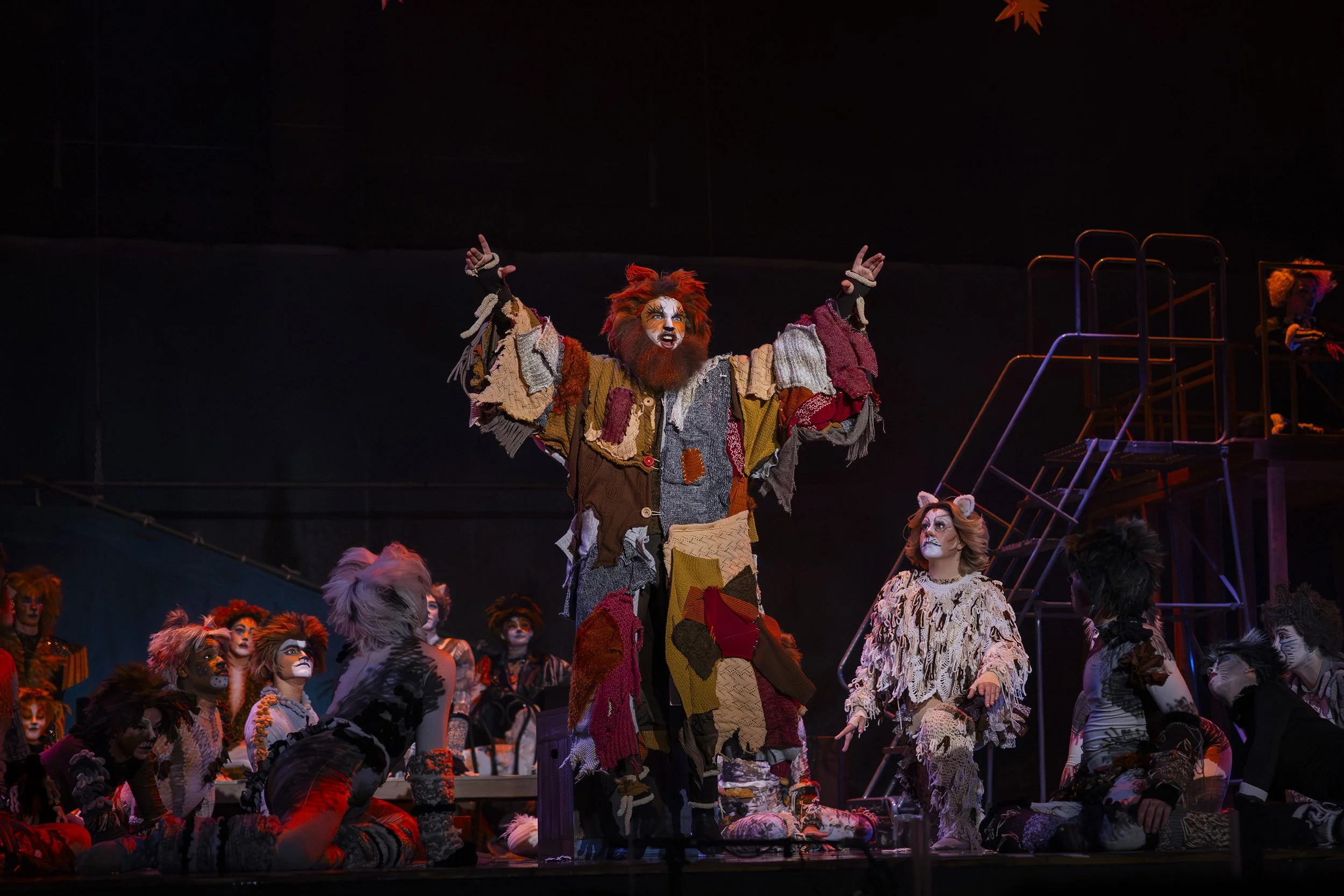
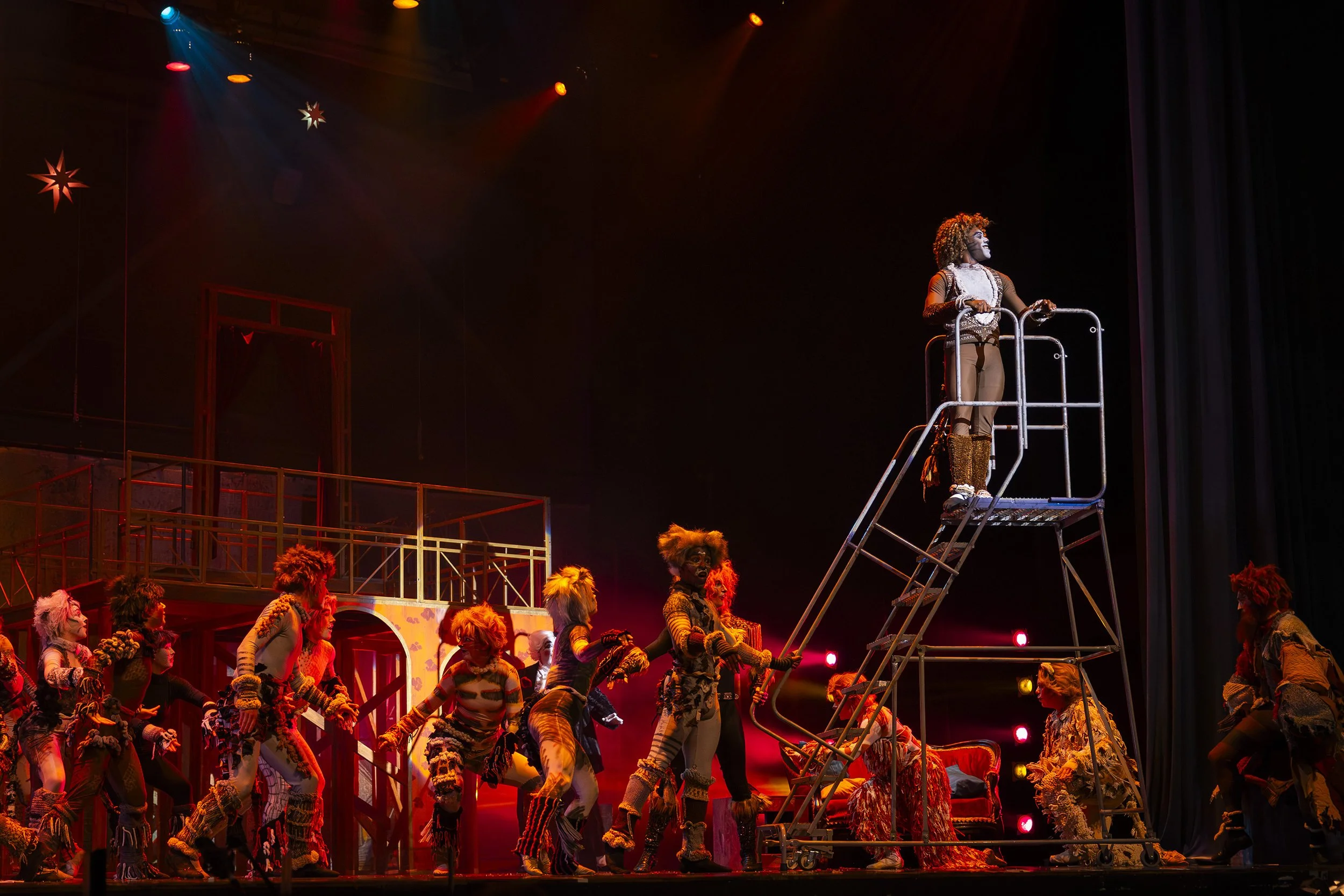
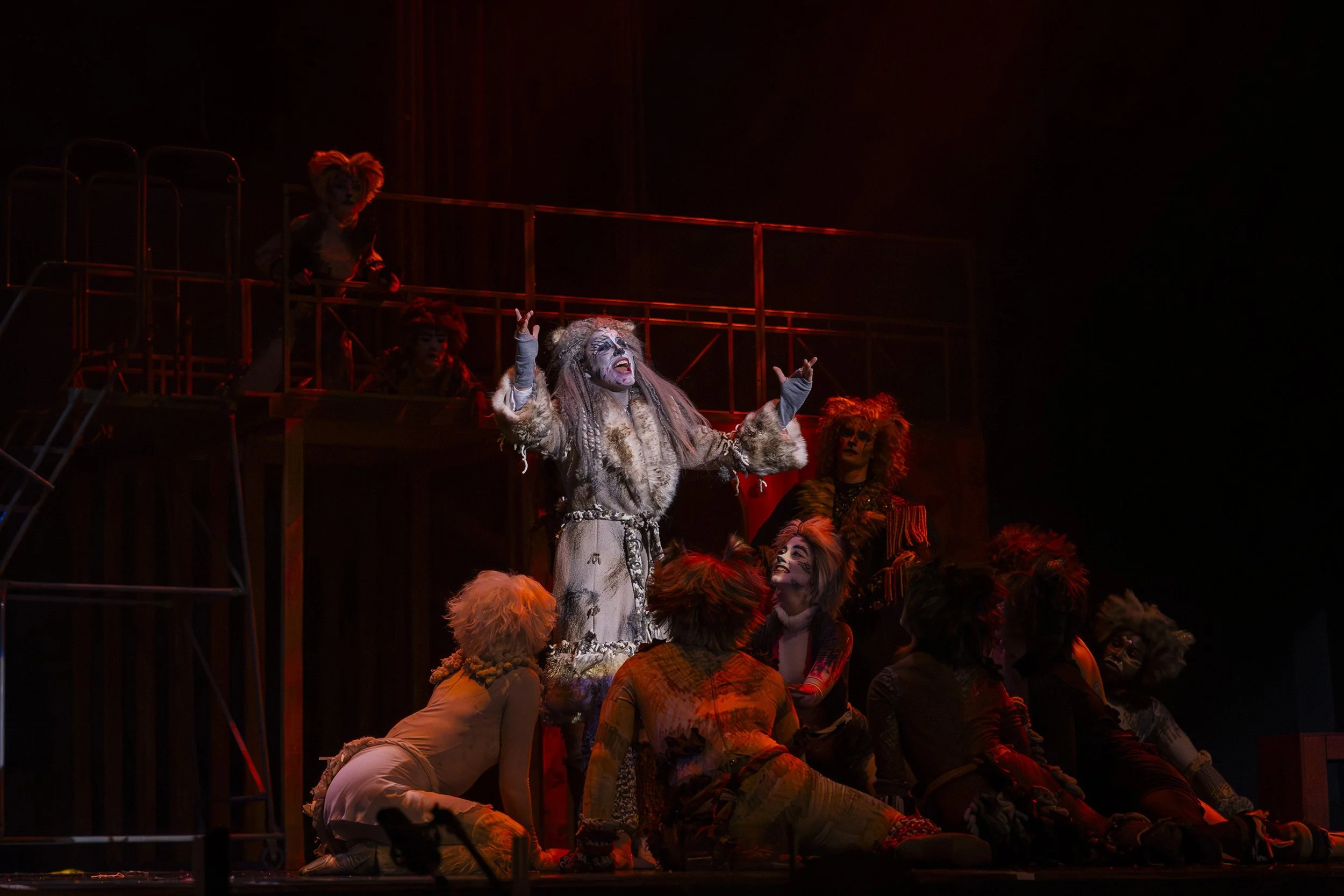
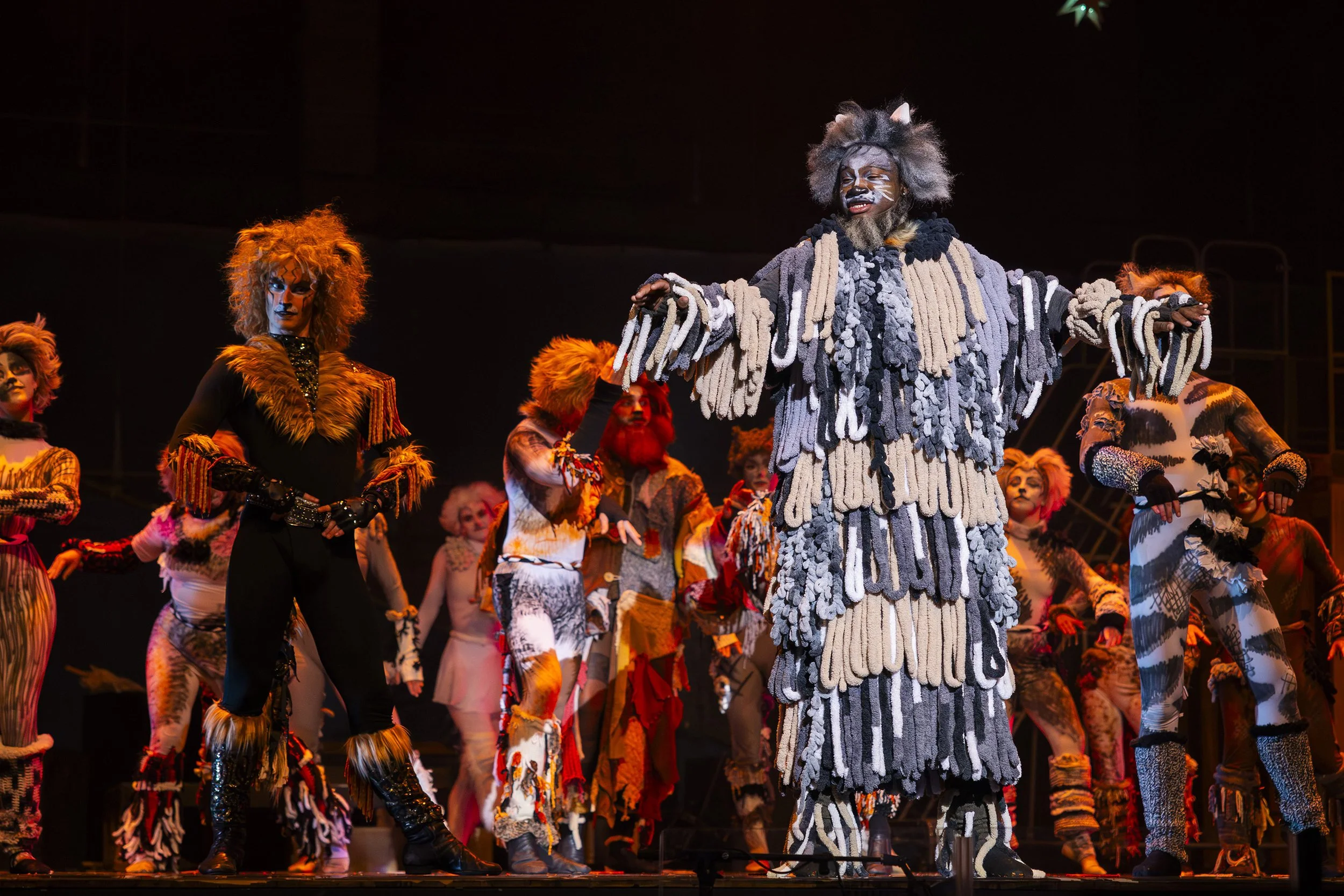
CATS
by Andrew Lloyd Webber, based on Old Possum’s Book of Practical Cats by T.S. Elliot
Directed & Choreographed by Anne Beck
Ball State University
Emens Auditorium
March 20th - March 22nd, 2026
Production Team:
Music Director: Michael Rafter
Scenic Design: Emma Mercedes
Costume Design: Alexander Stearns & Tony J. Sirk
Hair & Makeup Design: Robert Dirden
Lighting Design: Mari Guiterrez
Sound Design: Brandon Reed
About The Play
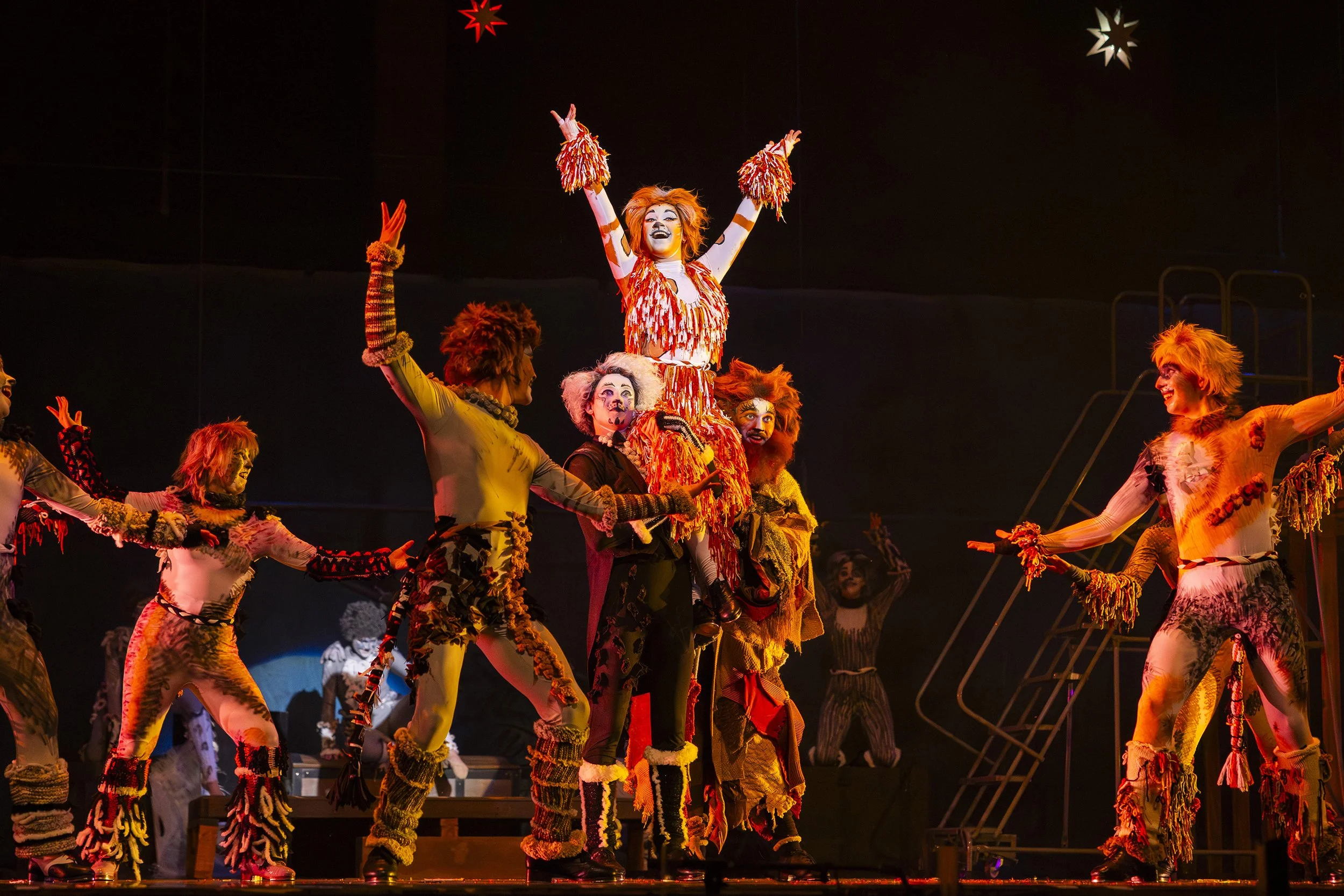
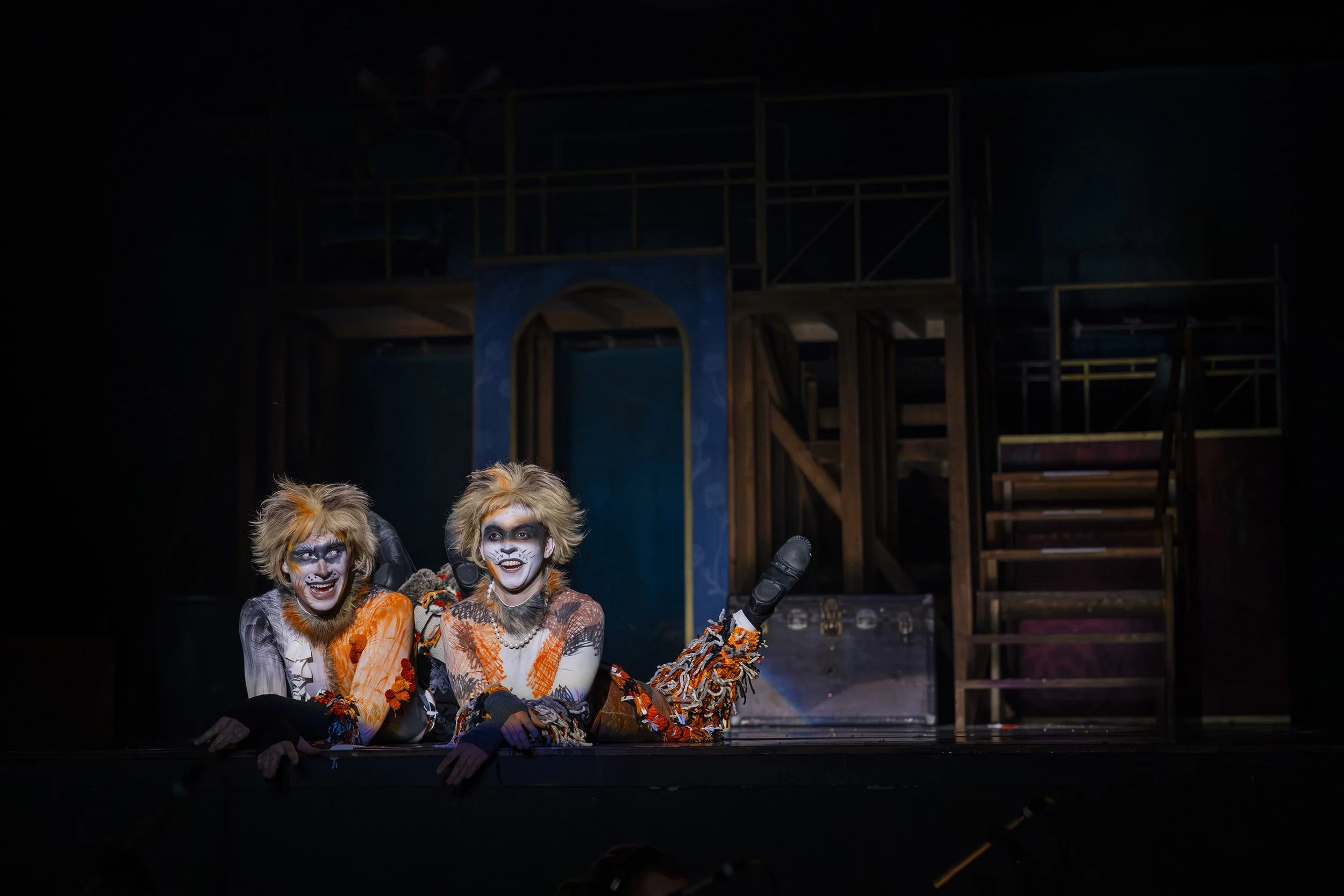
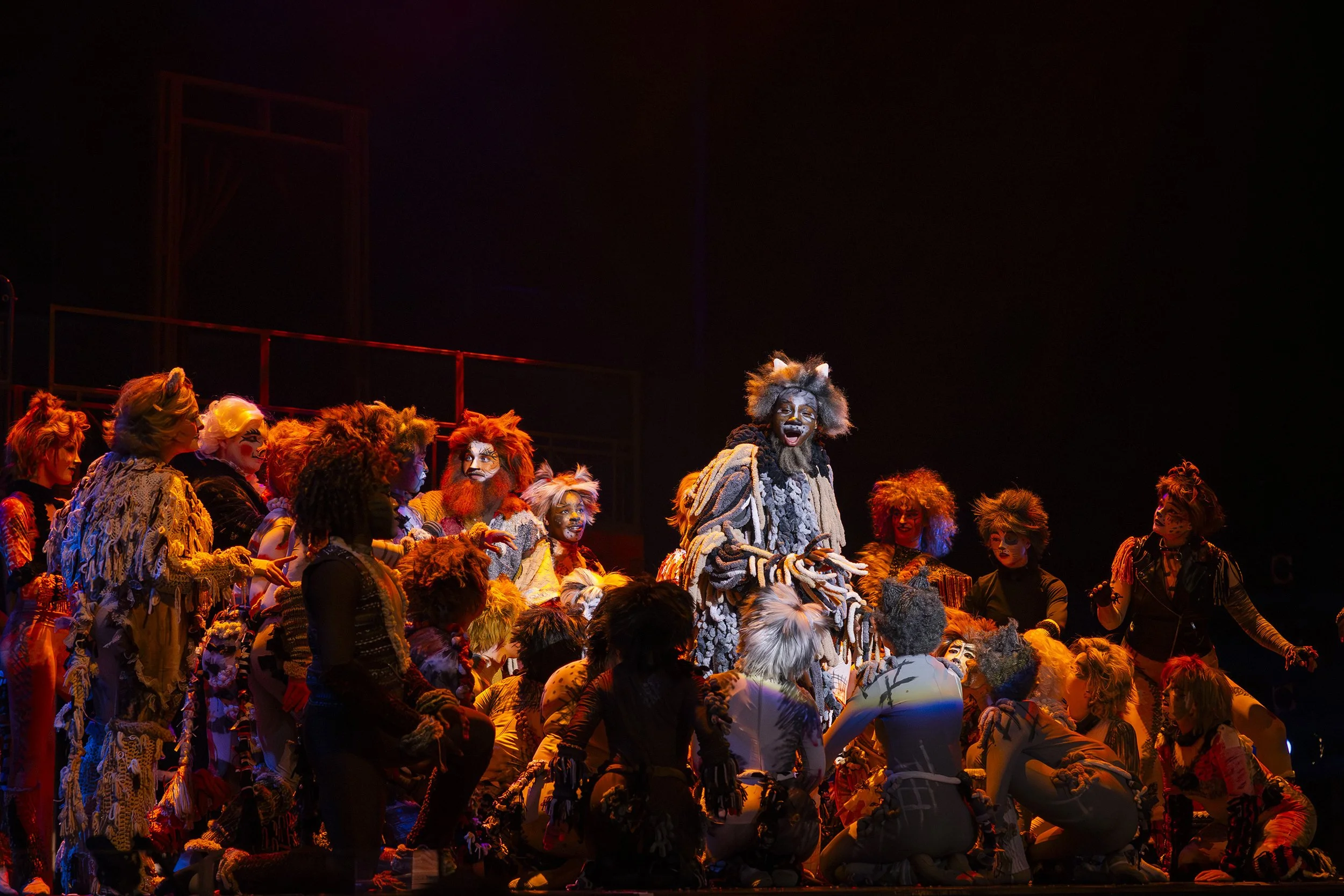
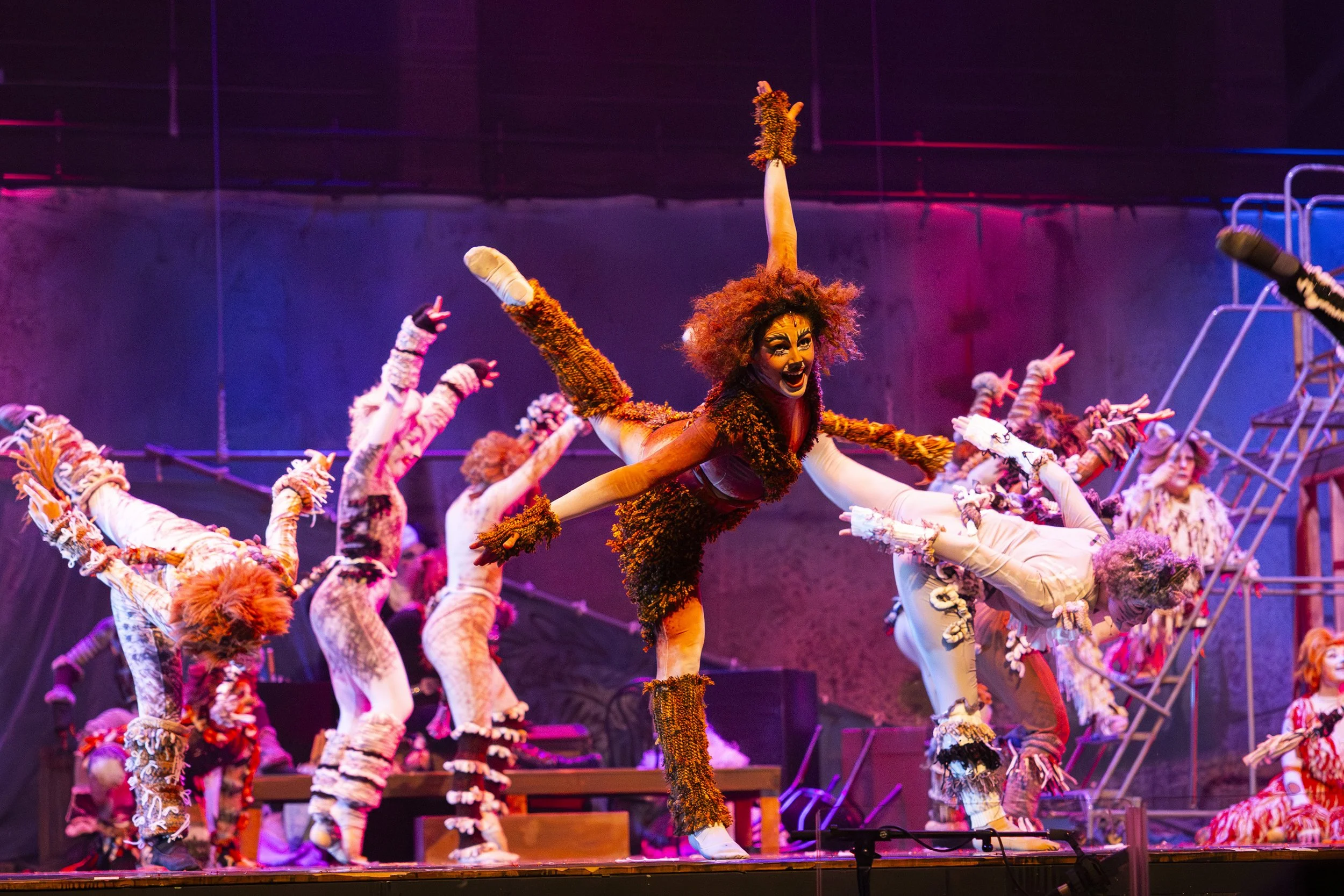
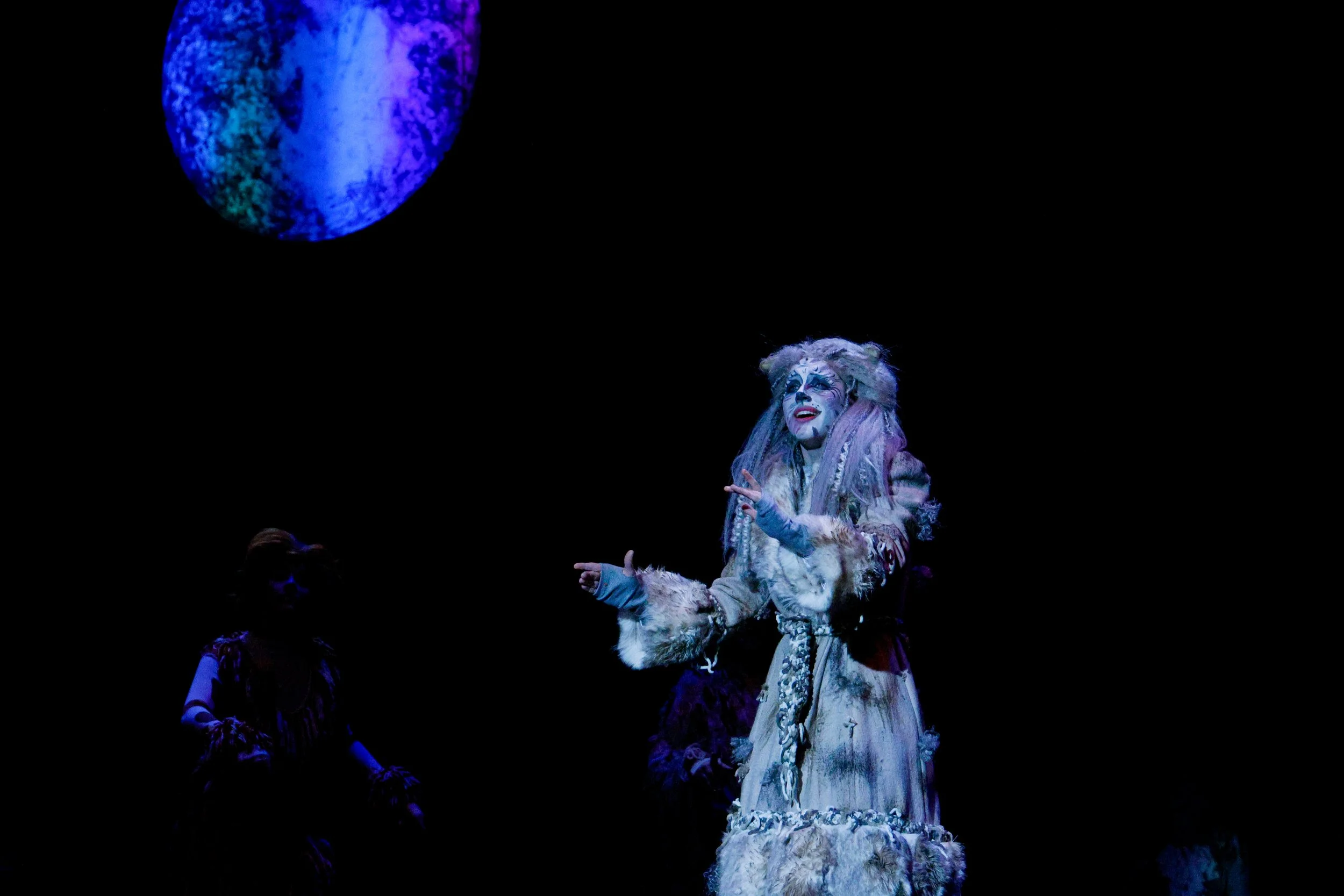
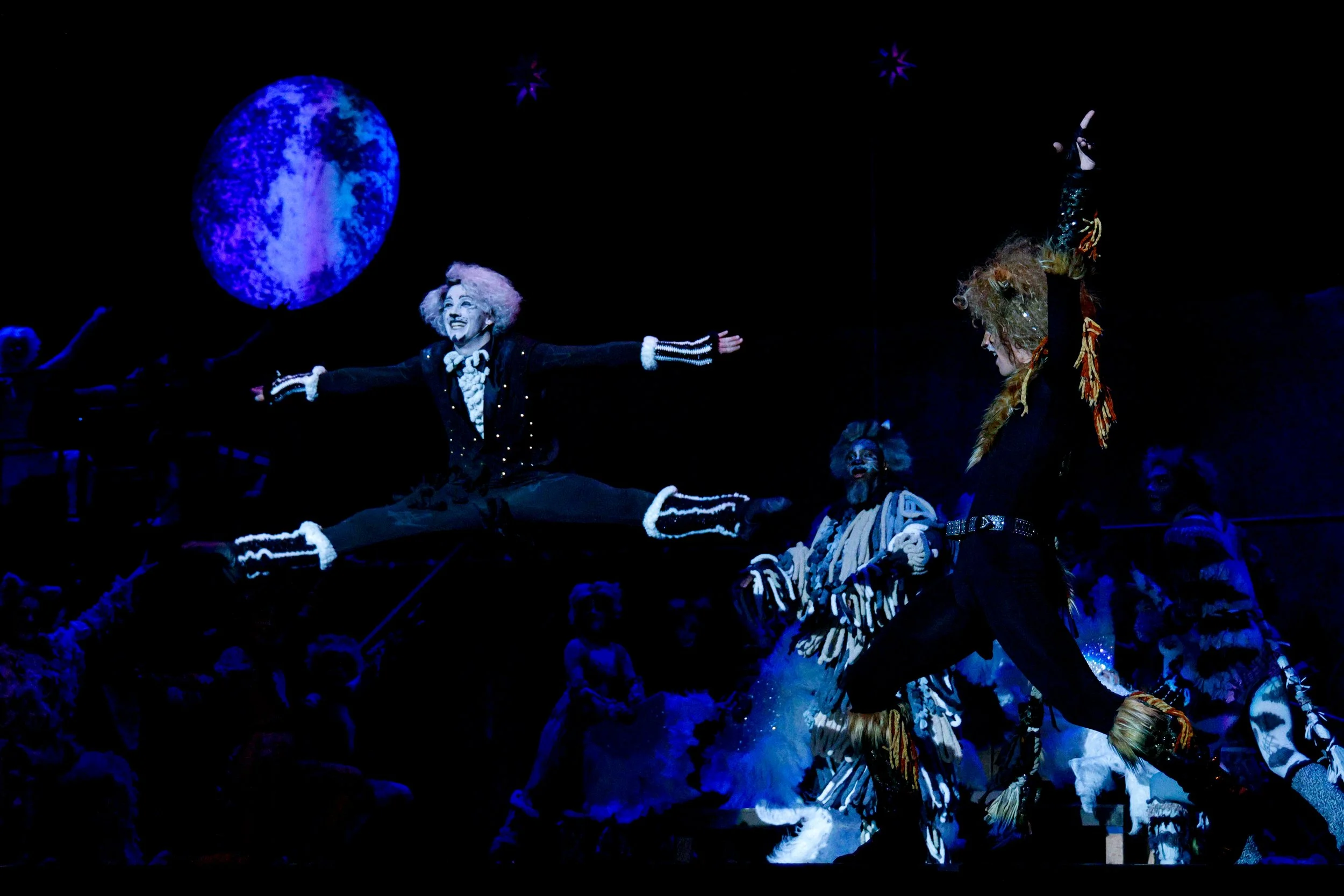
CATS tells the story of the “Jellicle Cats,” who gather once a year for the Jellicle Ball. Throughout the night, their wise leader, Old Deuteronomy, must make the “Jellicle Choice” and select one cat to ascend into the Heaviside Layer to be reborn into a new life. What follows is several vignettes of each cat trying to persuade why they should be the one chosen.
Audio clips of the live mix are not included due to recordings not accurately representing the theatre space and for copyright purposes.
Please check with the producing organization if interested in quality of the mix, which I proudly stand behind.
Photos taken courtesy of David “Kip” Shawger, Kat Hawthorne, JB Bilbrey, Brenden Rowan
This musical is historically known for being rock and roll and in your face despite the subject matter. I wanted to indulge in this and have an amplified mix that complemented the score, but also embraces the bizarre and quirky nature of the production. To further add complications to this, our main performance spaces were no longer accessible, so we were performing in local road-house where Broadway tours visit. This meant that we had to do a large amount of prep-work to ensure that our system could interface with an already existing one.
We were requested to have our paperwork over a month earlier than typical for a design process at this institution so that the venue could have an adequate amount of time to figure out their crew size, as well as how we can implement into their system. This required tons of back and forth with the music director as well as the Emens staff. Several revisions of paperwork all handled by my A1/Audio Engineer Colby Anderson. Colby was instrumental in making sure all these conversations were compiled into a single document.
We had a large cast of over twenty-five actors each with their own body mic, but we also had an additional three channels of wireless for one number that had some tap dancers. Everyone was using a Shure ULXD wireless transmitter and receiver, with either a Countryman B3 or a DPA 4061 lavaliere microphone. To further ensure that we had strong vocal presence when the main cast was dancing, we had over eight off-stage pit singers who sung on three different AKG C214s.
For the orchestra, we had a large pit with over sixteen musicians. Three keyboards, with two being Mainstage rigs into stereo direct boxes, and the third being just a default piano patch into a stereo direct box. We had an acoustic drum set which used a Sennheiser E602 on the kick, Shure SM57 on the snare, Sennheiser E604s on the toms, and AKG C414s for the overheads. We had five brass players who each used a Sennheiser MD421. Three wind players who used both a Shure SM81 and SM94 for a high and low microphone. The cello player had a DPA4099 clipped on to it. We had a percussionist who played a variety of instruments from timpanis to xylophones, with over eight different SM57s. We also had a guitar player who went direct out of a Fender Headrush for his electric tone, and direct into a DI Box from his pickup for the acoustic. The bass player only played electric and went direct into a mono direct box. It was a large channel count, but it allowed me to have the most control as possible over the orchestra.
For the system design, we got to use the house sound system, which was primarily all L’Acoustics speakers. Originally we were going to use a JBL array, but a show before ours ended up blowing out the horns of their rig, so we lucked out and got a new L’Acoustics array for our show. On stage we had over four L’Acoustics 112P cabinets used as fold backs. We had JBL MS26 speakers for front fills. We mixed our production on a Digico SD10, which was my first time myself and my A1 had ever worked on. Overall, given the short time frame of the tech process, and the amount of prep work that went into this, I believe it turned out great, and it was unfortunate that it only played for a single weekend. We ended up getting tons of compliments both from university staff, but as well from all faculty and students.
The Sound Design